



By the fourth day on Sunday, Lollapalooza had already packed enough twists into three days for an entire festival season.
Opening day introduced a noticeably younger lineup and a crowd eager to embrace it, while Friday belonged largely to the women commanding stages throughout Grant Park. Then came Saturday, when overnight rain and storms stretching into the morning delayed the festival by four hours, erased numerous early performances and forced everyone involved to adapt.
The grounds were still muddy for Sunday’s finale, but the rain finally stayed away. After a weekend shaped by shifting schedules, surprise collaborations, overflowing crowds and weather disruptions, the fourth and final day offered Lollapalooza a chance to end on its own terms.
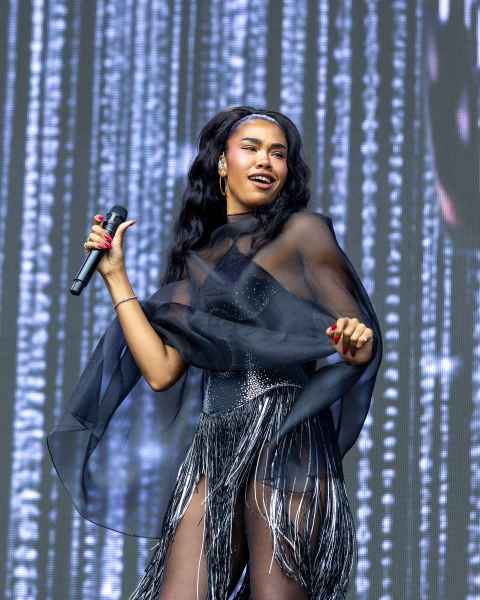
There were still a few reminders that festival weekends rarely unfold exactly as planned. Destin Conrad’s afternoon performance at the Allianz Stage got off to a delayed start, apparently due to audio issues, but once underway, the singer settled into a smooth set that provided an easygoing introduction to the final day.
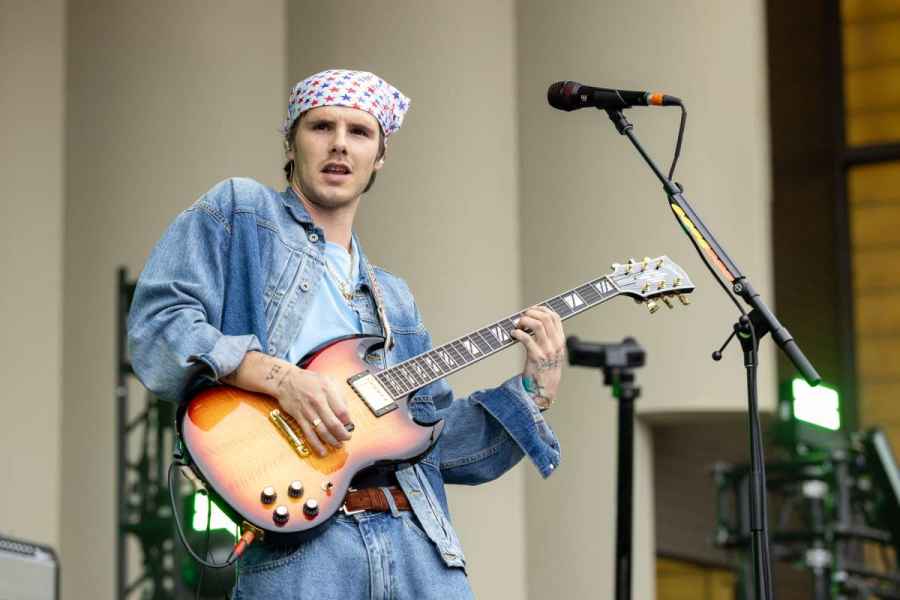
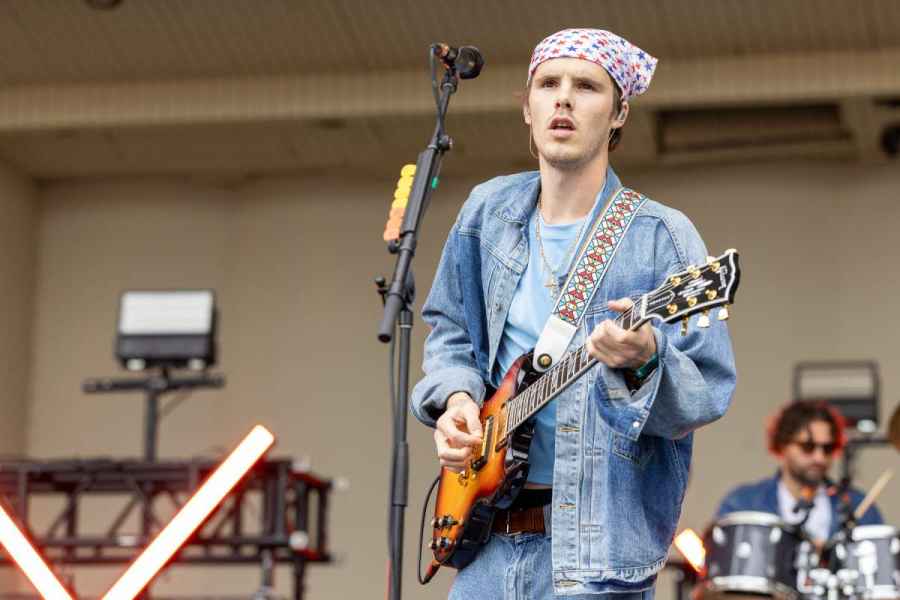
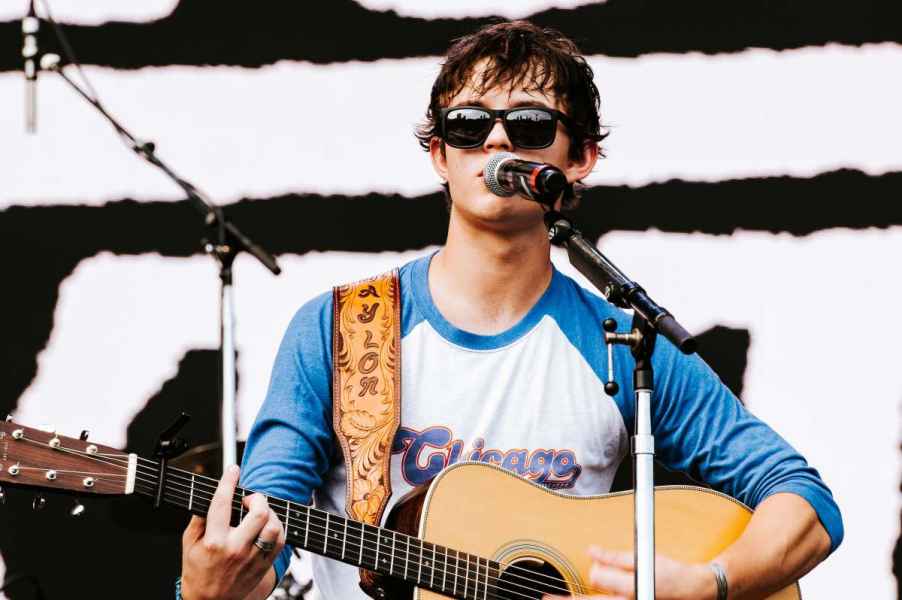
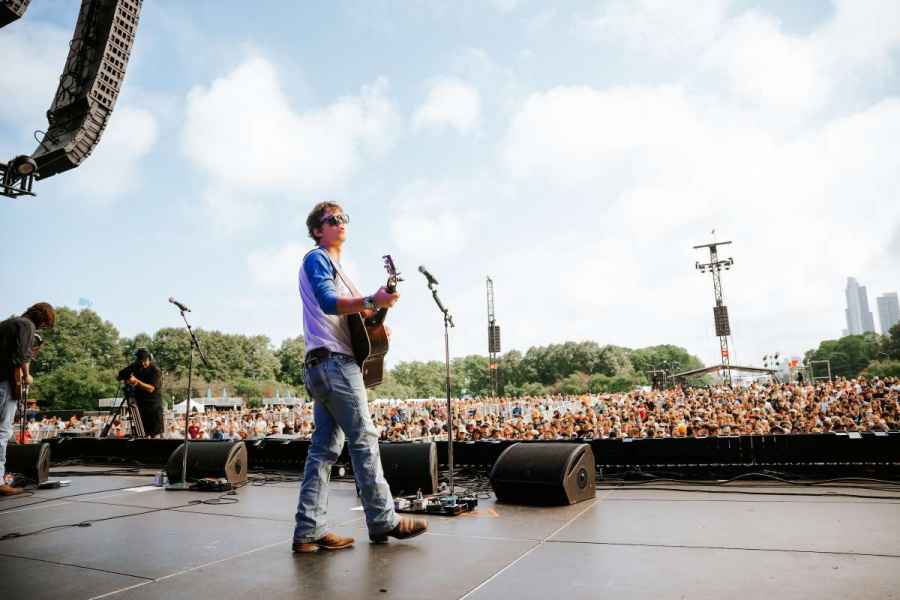
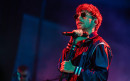
Cruz Beckham took the Tito’s stage as curious fans gathered to see the emerging musician continue establishing an identity of his own. Elsewhere, Waylon Wyatt made the sprawling Bud Light field feel considerably smaller with a confident performance and natural stage presence that reached well beyond the front rows—and well beyond his years, as he's only 19, but he commanded the stage like an industry veteran.
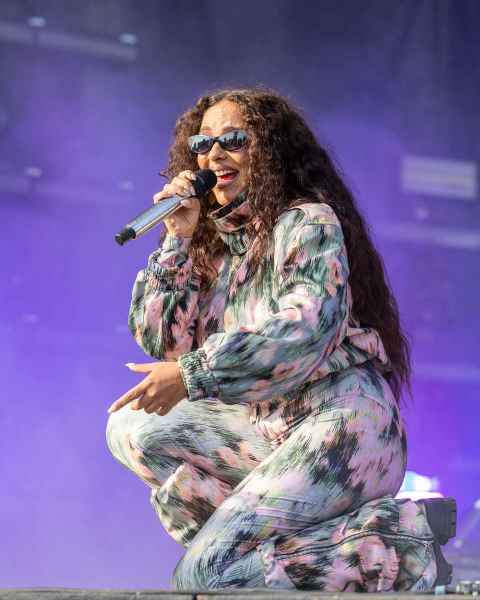
Amber Mark brought warmth and sophistication to the Allianz Stage later in the afternoon. Her blend of R&B, soul and pop offered the kind of polished performance that could still feel intimate amid a massive festival, giving the crowd space to settle into the final hours of the weekend.
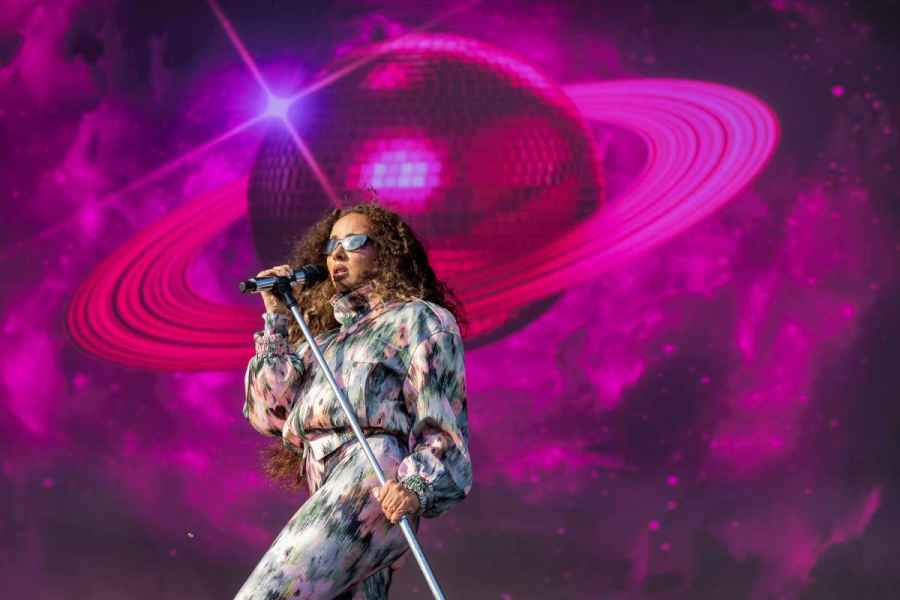
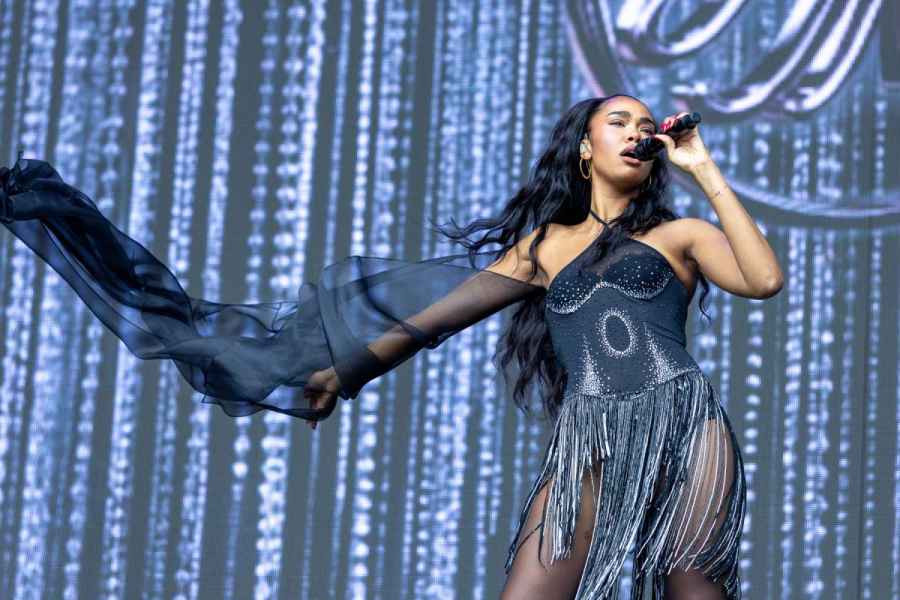
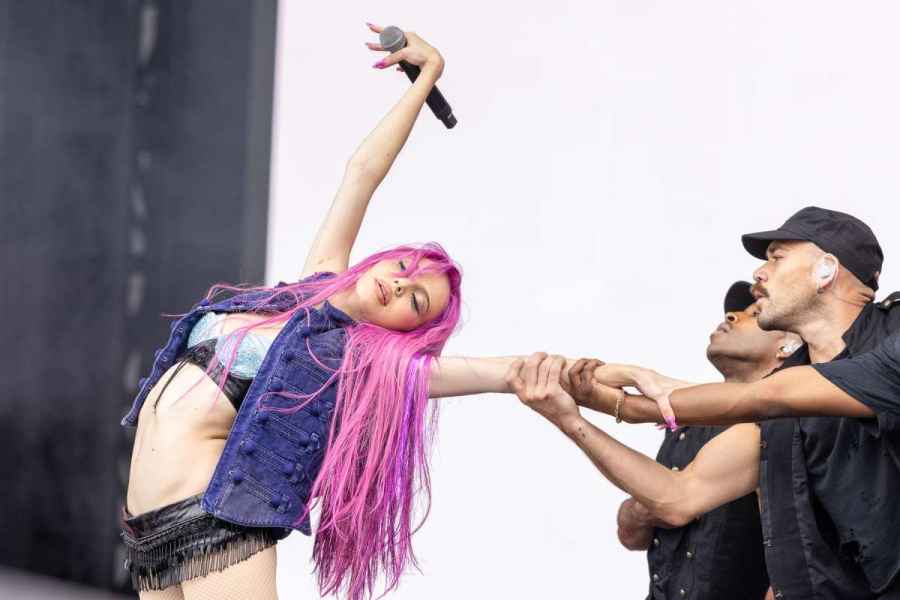
As Sunday moved toward its crowded evening schedule, JADE took over the same stage with the confidence and theatricality of an artist fully stepping into her own spotlight. Her set captured much of what had defined this year’s festival: pop music that was bold, visually expressive and driven by artists building passionate audiences on their own terms.
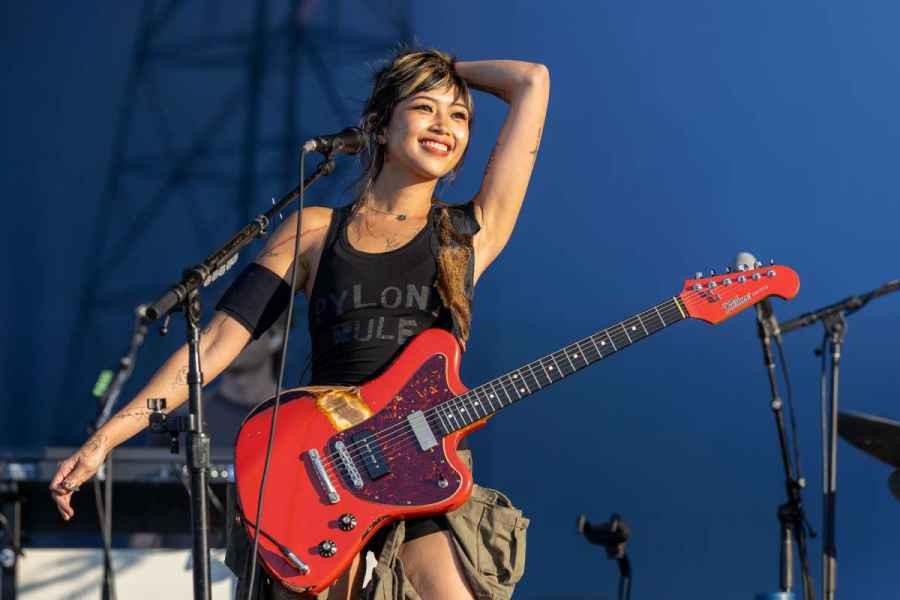
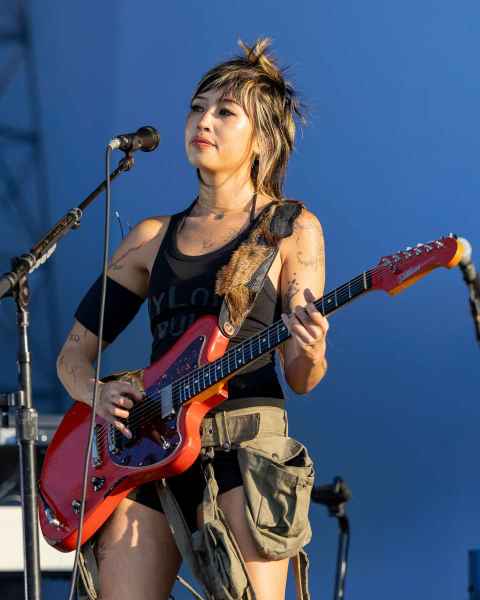
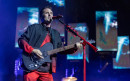
Across Grant Park, beabadoobee provided a different kind of release. Her hazy guitars and melodic songwriting felt perfectly suited to the early evening, balancing moments of understated vulnerability with the volume needed to carry across the T-Mobile field. After several days dominated by pop spectacle and unexpected guest appearances, her performance was a reminder that a guitar, a strong melody and an emotionally invested crowd can still create their own festival-sized moment.
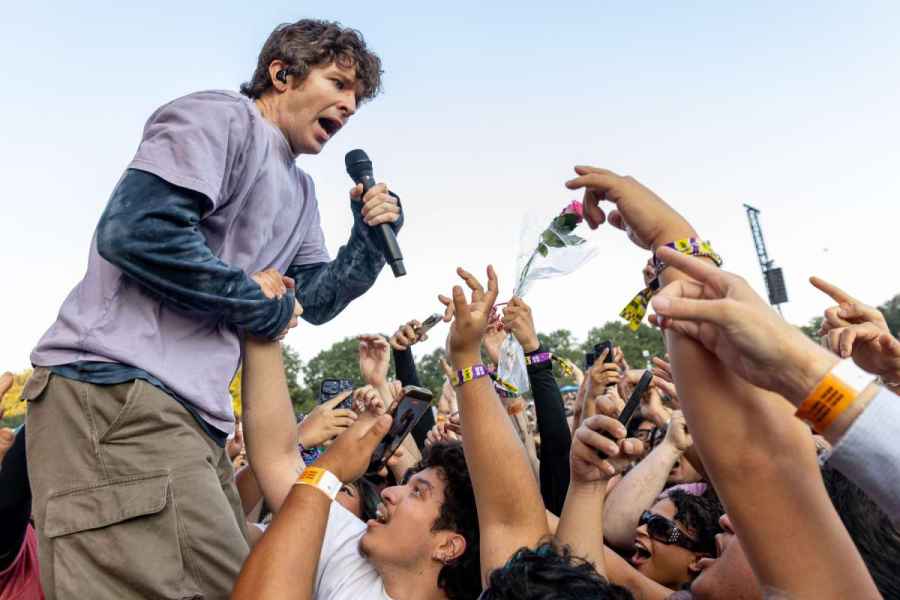
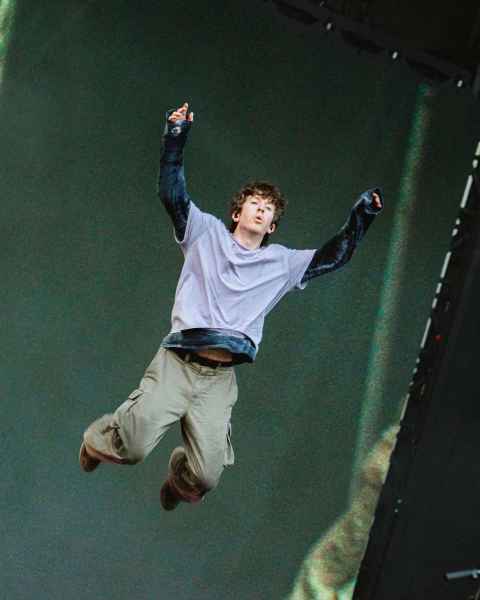
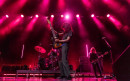
Over at the Bud Light stage, Turnstile reminded everyone why they've become one of the most exciting live bands of the past decade. The Baltimore rock outfit transformed the grounds into controlled chaos, with circle pits erupting almost immediately and crowd surfers pouring over the barricade throughout the set. Yet beneath the intensity was an undeniable sense of joy. Turnstile's ability to blur the lines between hardcore, punk, alternative rock and melody has made them one of modern rock's most accessible success stories, and Sunday's performance showed exactly why. Their set wasn't just loud. It was liberating, proving once again that some of the weekend's biggest emotional releases came through distorted guitars rather than pop hooks.
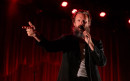
Not very far away, Will Swinton closed out the weekend at the BMI Stage. The smaller setting gave the New Zealand singer-songwriter a more personal environment, offering fans a chance to hear his emotionally direct songs away from the scale of the main stages. It was the kind of performance the BMI Stage has long been designed to showcase: an emerging artist connecting with listeners before the rest of the festival catches up. It wouldn't be a surprise at all to see Swinton back at Lolla in the future.
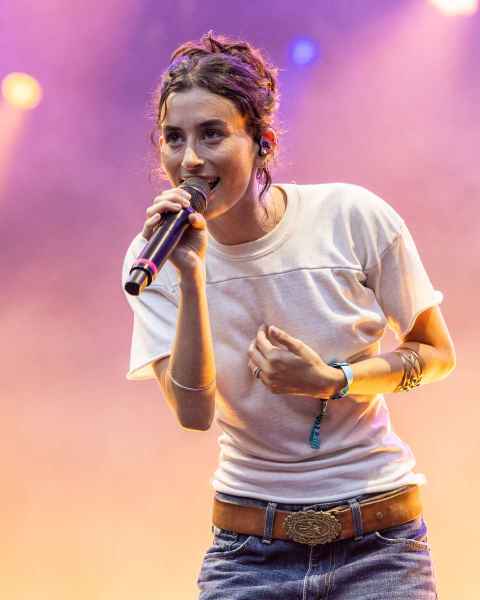
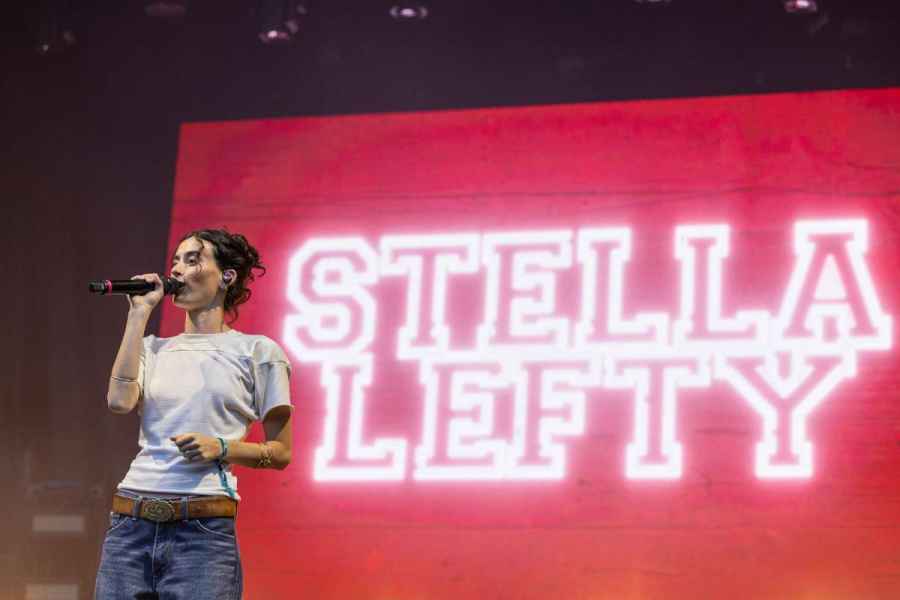
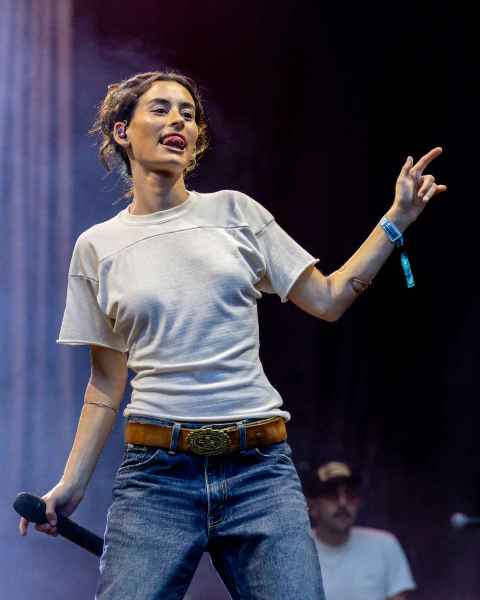
One of Sunday’s most meaningful sets, however, came from Stella Lefty.
For the Chicago native, appearing at Lollapalooza represented more than another festival date. Lefty opened her show by telling the crowd she had been attending Lollapalooza since she was 15, making her performance at the Airbnb Stage something of a homecoming. Now she was no longer watching from the audience but standing onstage with an ample crowd gathered to see her.
The set included a massive singalong to Natasha Bedingfield’s “Unwritten,” a song whose enduring optimism felt especially appropriate after a weekend that had repeatedly asked attendees to roll with the unexpected. She then performed an unreleased song, an infectious track apparently titled "Lean In Kiss Me," which she promised was coming very, very soon.
Lefty also welcomed her boyfriend and “favorite person on the planet,” Vincent Mason, to join her for their duet “Something to Lose.” Their natural chemistry gave the performance an intimate quality despite the festival setting, while the guest appearance added another entry to a weekend filled with unexpected collaborations.
Before leaving, Lefty offered one more piece of news, announcing that her album, Long Way Home, will arrive Aug. 21. The title seemed particularly fitting for an artist performing in her hometown. She closed her set with the song everyone had been waiting for, telling the Chicago audience, "This song isn't called 'Chicago.' It's called 'Boston.'" Of course, the crowd erupted as they sang along with her.
By nightfall, Lollapalooza divided itself between two very different closing performances.
At the north end of Grant Park, The xx returned with their signature restraint, proving a headlining performance does not always require constant spectacle. The group’s spacious arrangements, intertwined vocals and quiet intensity offered an atmospheric conclusion, allowing tension to build in the spaces between beats and guitar notes. Their music felt almost suspended above the crowd, providing a reflective alternative to the weekend’s louder and more maximalist moments.
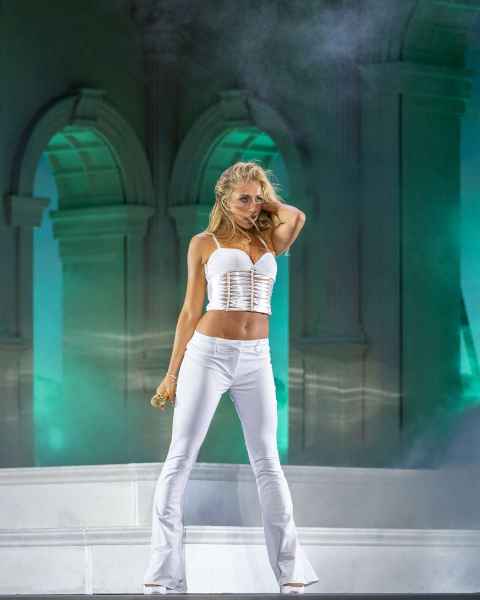
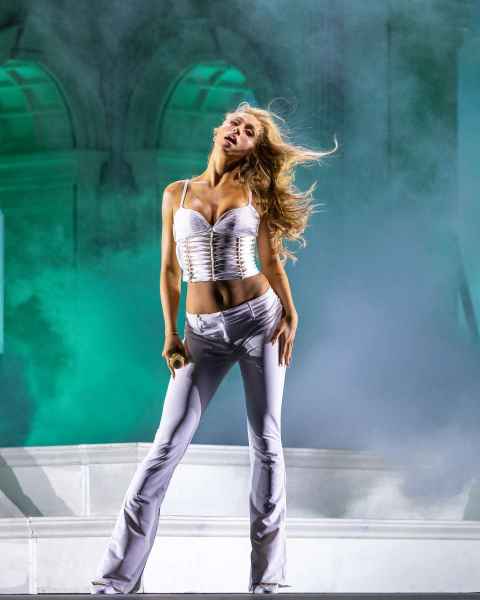
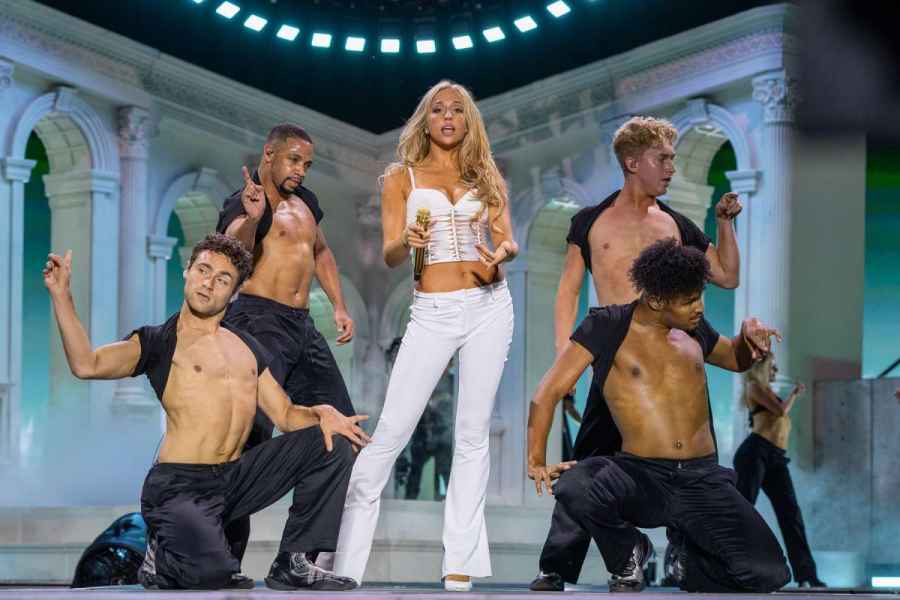
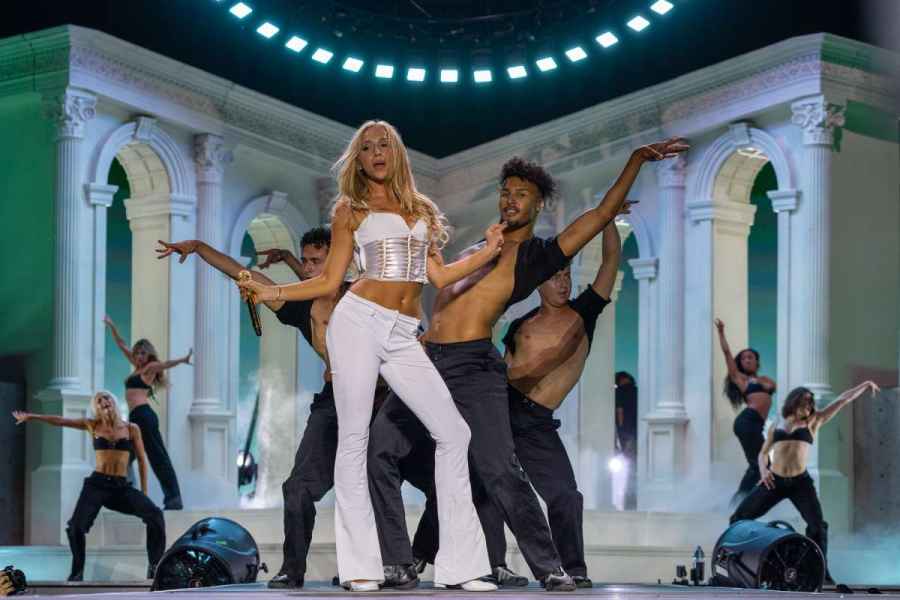
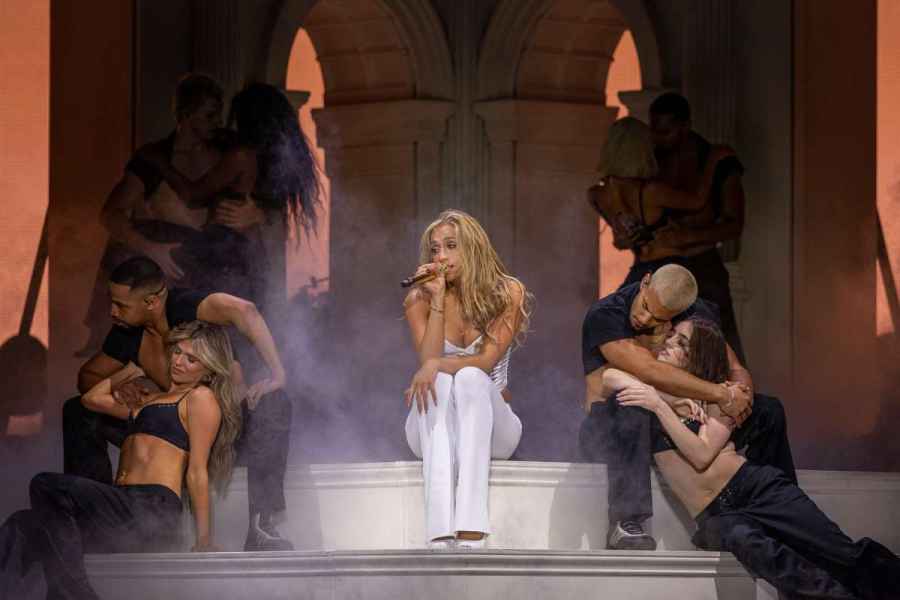
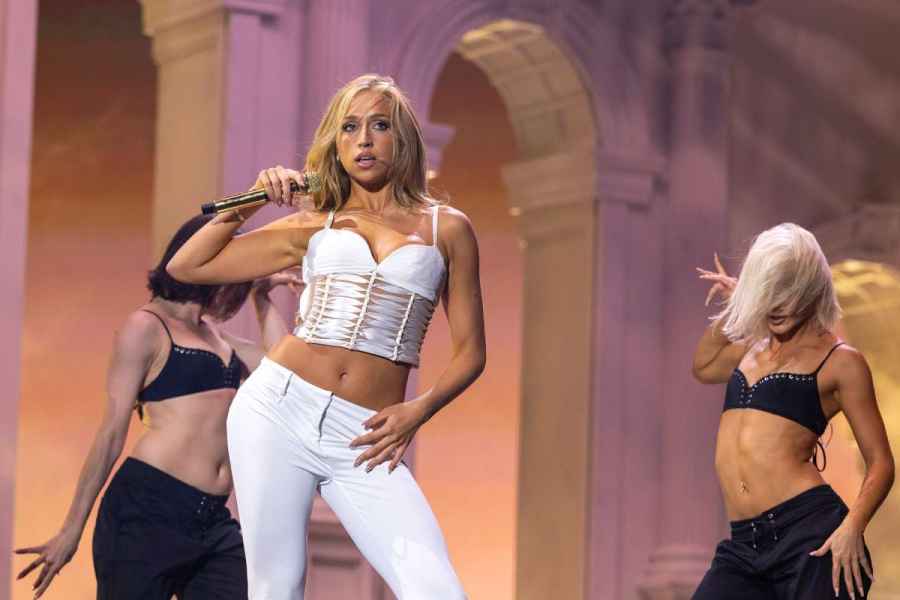
On the opposite end of Grant Park, Tate McRae delivered a headlining performance that underscored just how quickly she has become one of pop's biggest stars. (For context, the Canadian singer first performed at Lolla in 2021 on what is now the Airbnb stage, where Stella Lefty performed.)
Equal parts concert and choreography showcase, the set was meticulously paced, balancing explosive dance routines with moments that allowed her vocals and stage presence to take center stage. Every movement felt intentional, reinforcing why McRae has emerged as one of the most captivating live performers of her generation.
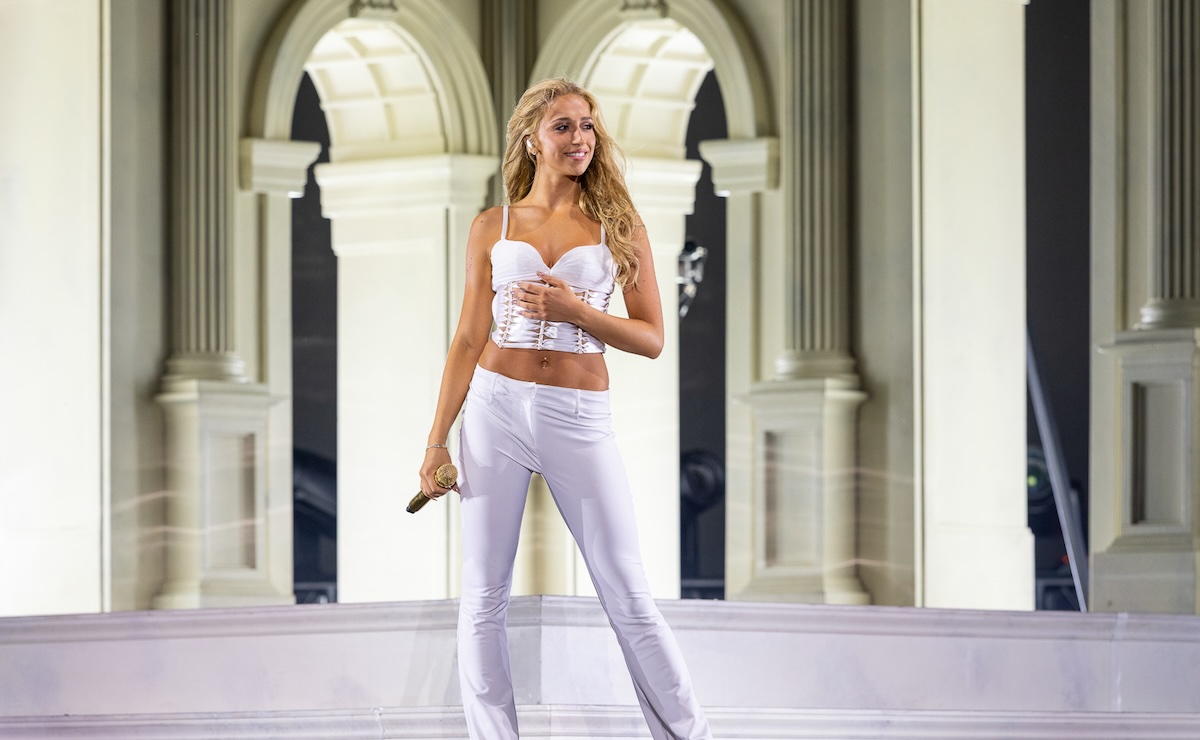
One of the night's most visually striking moments came when McRae, wearing a white two-piece outfit ascended a set of stairs on stage, laying in a pool below the stage and emerging seconds later drenched in shimmering gold paint. It was theatrical and certainly a big Lolla moment, adding another memorable visual to a performance already packed with cinematic staging, pyrotechnics and arena-sized pop anthems.
Beyond the spectacle, the audience's reaction spoke volumes. The festival's biggest stages are increasingly being occupied not only by established veterans, but by artists whose careers have grown alongside the younger fans filling Grant Park. McRae didn't simply close one of the festival's main stages. She cemented herself as one of the defining faces of this new era of pop.
That contrast between McRae and The xx ultimately made sense for a festival that has always tried to exist in several musical worlds at once. One side offered tightly choreographed pop built for the present moment. The other relied on atmosphere, patience and the quiet chemistry of a group whose influence stretches well beyond its own catalog.
And perhaps that was the most fitting way for Lollapalooza 2026 to end.
Over four days, the festival belonged to many different people. It belonged to Lorde and Charli xcx sharing the stage, to the women who powered through Friday’s uncertain weather and to the artists and fans who returned after Saturday’s lengthy delay. It belonged to newcomers playing their first American festivals, hometown musicians stepping onto stages they once watched from the crowd and individual fans suddenly invited to become part of the show.
Sunday did not need another disruption or dramatic comeback. It simply needed to bring everyone back together one last time.
After the rain, the delays and the constantly changing plans, Lollapalooza’s final day became a reminder that festivals are rarely defined by how perfectly they unfold. They are defined by the people who keep showing up, the artists who make the most of the time they are given and the moments that could never have been scheduled in advance.
By the time the last songs faded over Grant Park, Lollapalooza had found its way home.
—
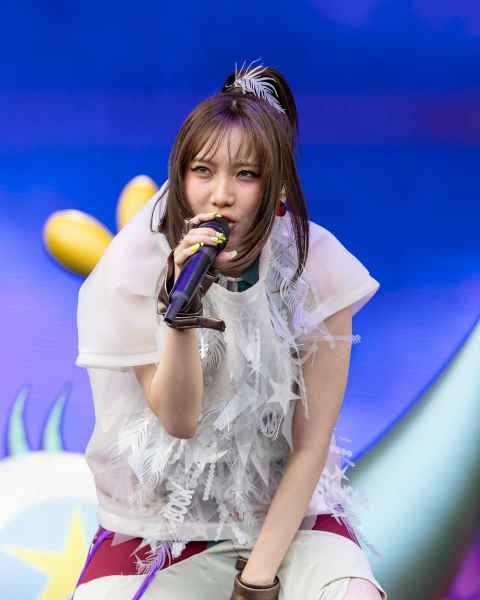
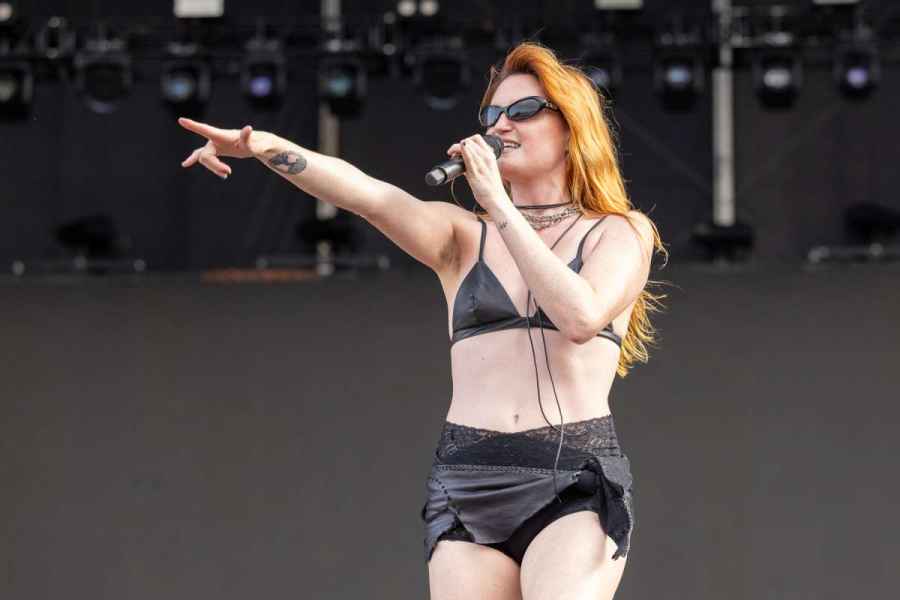
See photos from the final day of Lollapalooza 2026 below, by Dan DeSlover.